
The Thrill of Uncertainty
One of the most captivating aspects of casino gambling is the thrill that comes from uncertainty. Players are often drawn to the unpredictable nature of games, where outcomes can change in an instant. The excitement of not knowing whether a bet will pay off can create an adrenaline rush, making the experience euphoric. This physiological response can lead to a heightened state of arousal that some individuals find irresistible. In fact, many players are increasingly interested in australian online pokies for their unique blends of chance and skill.
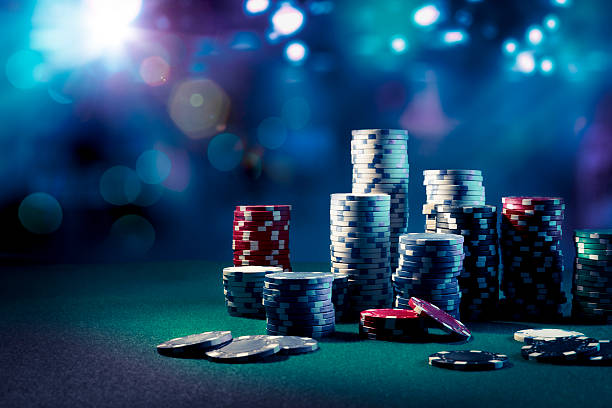
This thrill of uncertainty is intricately linked to our brain’s reward system. When a player wins, the brain releases dopamine, a neurotransmitter that enhances feelings of pleasure and satisfaction. This creates a powerful feedback loop where the brain associates gambling with reward, reinforcing the desire to play again in hopes of replicating that high.
The Role of Social Interaction
Casino gambling is not just about individual play; it often involves social interactions that can enhance the overall experience. Many people enjoy the camaraderie found in group games or even casual conversations at slot machines. These social elements can make the experience more enjoyable and memorable, leading to a willingness to return to the casino.
Moreover, the social ambiance of casinos—filled with laughter, cheers, and a shared sense of excitement—can create a unique atmosphere that attracts individuals. The sense of community and shared experience can comfort players, especially those who may feel isolated in their daily lives. This social aspect of gambling can be a significant motivator for continued play.
The Illusion of Control
The psychology of gambling is further complicated by the illusion of control that many players experience. Gamblers often believe that they can influence outcomes through their strategies or behaviors, even in games of pure chance. This belief can lead to a sense of empowerment, encouraging players to engage more frequently as they feel they possess some control over their luck.
This illusion is particularly prevalent in games like poker, where skill and strategy play a more significant role compared to games like roulette or slot machines. The mindset of being able to outsmart other players or the game itself can perpetuate the betting cycle, as individuals chase the feeling of mastery and success.
Emotional Responses and Escapism
For many, gambling serves as an escape from everyday stressors. The casino environment offers a sensory overload that can distract players from their problems, creating an emotionally charged space where they can immerse themselves in the game. This escapism can be a powerful motivator, providing players with a temporary reprieve from their realities.
Additionally, gambling can provoke a wide range of emotions, from excitement to despair. These emotional highs and lows contribute to the overall experience, making it more engaging and addictive. The rush of winning can lead to euphoria, while losing may create a compelling desire to recover losses, further entrenching individuals in a cycle of play.
Discover More on Our Platform
This website aims to provide valuable insights into various topics related to casino gambling and the broader psychology behind why we engage in such activities. Whether you are observing trends, seeking strategies, or wanting to understand gambling from a psychological perspective, we strive to be your comprehensive resource.
Despite potential restrictions, our goal is to offer guidance and support in your exploration of the world of casinos. We encourage you to navigate our available sections for a wealth of information that can enhance your understanding and experience in gambling.